
DCA Spectrum Analysis
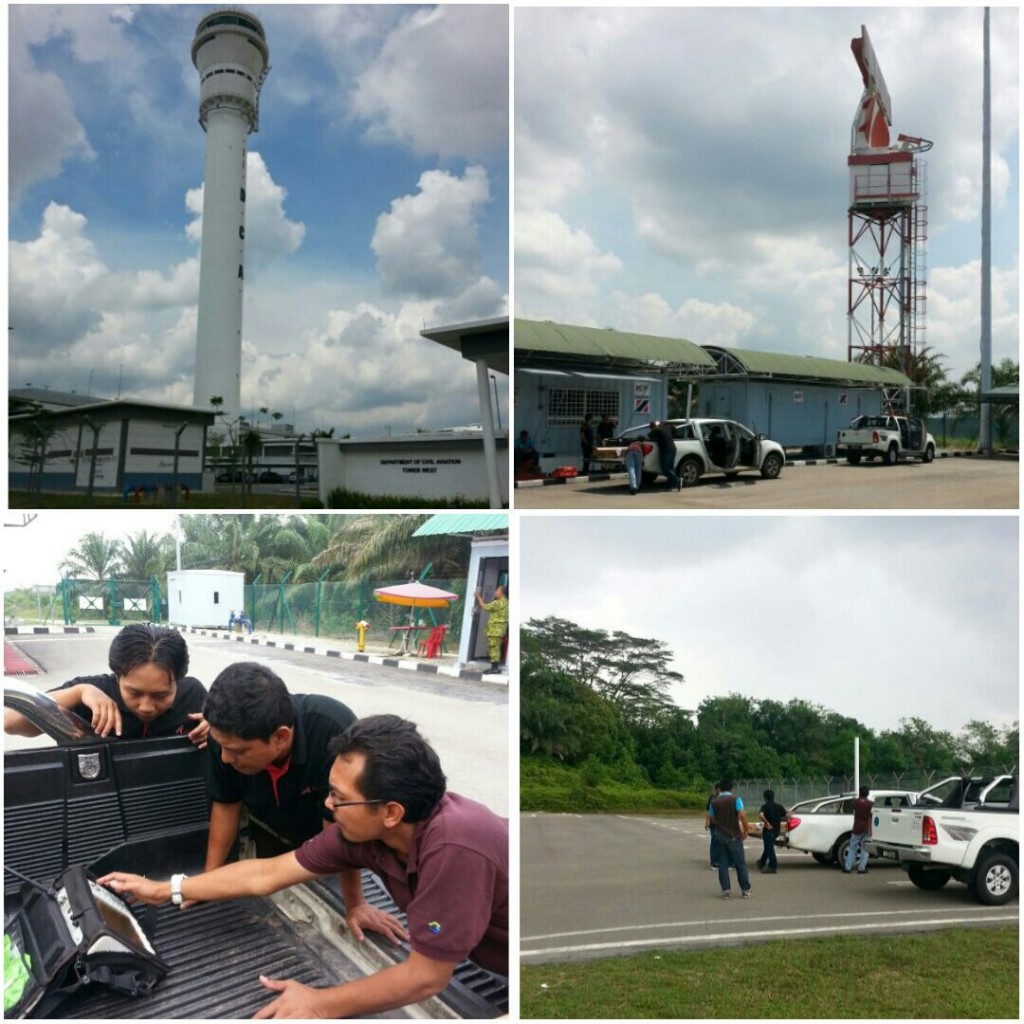
Our Technology Chief leads frequency scanning for DCA Control Tower at KLIA
Your work is going to fill a large part of your life, and the only way to be truly satisfied is to do what you believe is great work. And the only way to do great work is to love what you do.
– Steve Jobs
Reliable communication is the backbone of air traffic control. At Kuala Lumpur International Airport (KLIA), the Department of Civil Aviation (DCA) relies on precise frequency management to ensure seamless communication between pilots, ground control, and radar stations. SKMG recently conducted a comprehensive spectrum analysis at KLIA’s control tower to enhance communication reliability and eliminate potential interference.
Project Scope
The primary objective of this project was to analyze and optimize the radio frequency (RF) spectrum used for air traffic communications at KLIA. This included:
- Identifying Frequency Interference – Scanning for any disruptions affecting communication.
- Signal Strength Testing – Ensuring optimal performance across all channels.
- Mitigation Strategies – Proposing solutions for interference reduction and enhanced signal clarity.
Challenges & Solutions
Challenge 1: Frequency Interference
KLIA operates in a high-density communication environment, making frequency overlap and interference common challenges. Our team deployed advanced RF analyzers to detect and pinpoint any disruptive signals.
Solution: We implemented frequency reallocation and filtering techniques to enhance signal clarity and avoid congestion.
Challenge 2: Harsh Environmental Conditions
Working around the control tower and antenna structures posed environmental challenges such as strong winds and extreme heat.
Solution: Our team used specialized equipment and followed strict safety protocols to ensure efficient data collection without disruptions.
Results & Impact
Our spectrum analysis provided valuable insights that significantly improved the efficiency of KLIA’s air traffic communication system. Key outcomes included:
- Clearer communication channels – Reduced signal interference led to enhanced safety for pilots and air traffic controllers.
- Optimized frequency allocation – Balanced distribution of channels to prevent congestion.
- Better regulatory compliance – Ensured all frequencies adhered to international aviation standards.
Conclusion
Through precise spectrum analysis, SKMG successfully enhanced the reliability of KLIA’s communication network, reinforcing our expertise in wireless networking and telecommunication solutions. As a trusted partner in the aviation industry, we continue to provide top-notch engineering and spectrum management services to ensure seamless operations.
For more information on our telecommunication solutions, contact SKMG today!
